

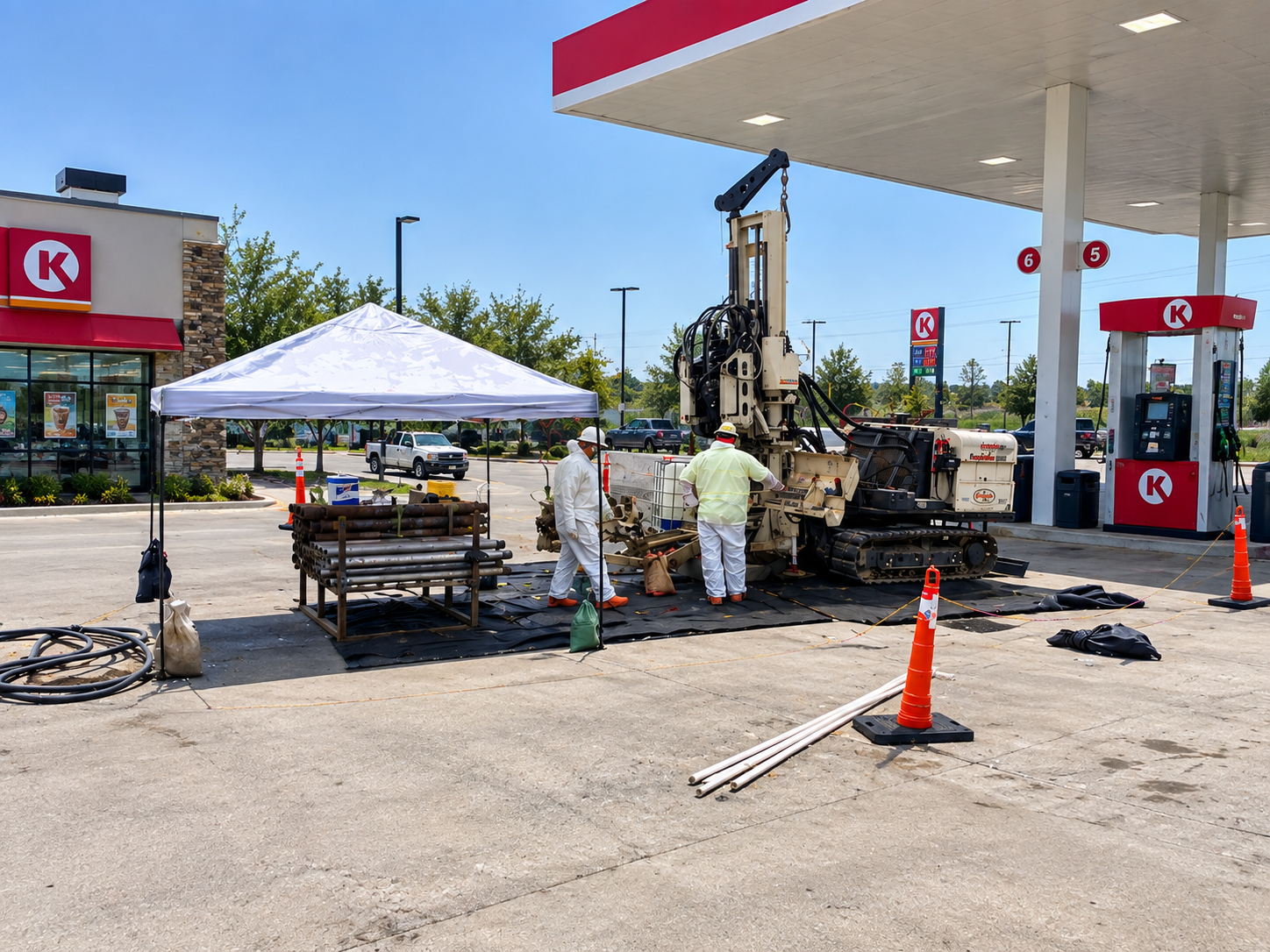
Remediation & The Drillers Role
Remediation Starts at the Well: The Critical Role of Drillers in Environmental Cleanup
When contamination is discovered in soil or groundwater, identifying the problem is only the beginning. Remediation is the process of removing, treating, containing, or otherwise managing contaminants so that a site can be returned to a safe and usable condition.
While environmental consultants, engineers, scientists, and remediation specialists often design the overall cleanup strategy, there is another group that plays a critical role in making those plans a reality: drillers.
From installing monitoring wells to constructing extraction and injection wells, drillers are often the professionals who physically create the infrastructure needed to understand and remediate contaminated sites.
From Investigation to Remediation
Many remediation projects begin with an environmental investigation.
Drilling contractors may be brought in to install monitoring wells that allow environmental professionals to collect groundwater samples and understand:
-
- Where contamination is located
- How deep the contamination extends
- The direction groundwater is moving
- How concentrations change over time
- Whether contaminants are migrating beyond the original source area
These wells can become an essential part of the long-term remediation program.
Once the contamination has been characterized, engineers and environmental specialists can determine what type of remediation system is appropriate for the site.
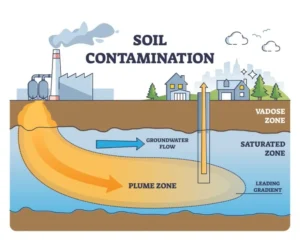
Drillers Install the Infrastructure Behind the System
Depending on the contamination and the remediation technology being used, a project may require several different types of wells.
Extraction wells can be installed to remove contaminated groundwater from the subsurface. The extracted water can then be treated above ground before being discharged or managed according to the applicable requirements.
Injection wells may be used to introduce approved treatment solutions, amendments, or other materials into the subsurface. These systems can help facilitate the breakdown or treatment of contaminants in groundwater or soil.
Monitoring wells remain important throughout the process, providing the data needed to determine whether the remediation system is working and whether contaminant concentrations are changing.
In each case, the quality of the well installation matters.
Well Construction Matters
A remediation system can be sophisticated, but it still depends on the wells being properly installed.
Drillers have to consider factors such as formation conditions, target depths, well screen placement, casing, annular seals, development, and surface protection.
The well must also remain protected from outside influences once it is installed.
This is where proper well protection at the surface becomes especially important.
A well that is located in a parking lot, roadway, industrial facility, or other high-traffic area needs protection that can withstand the environment around it while maintaining access for sampling and maintenance.
The Driller’s Role Doesn’t End When the Rig Leaves
Remediation projects can last months or even years.
During that time, monitoring wells may be sampled repeatedly to track the progress of the cleanup. Additional wells may also be required as the project evolves.
Drillers may return to the site to:
-
- Install additional monitoring wells
- Replace damaged wells
- Modify existing well infrastructure
- Install new extraction or injection points
- Decommission wells that are no longer required
This makes the drilling contractor an important part of the project team well beyond the initial installation.
Protecting the Investment
A properly installed remediation system represents a significant investment in equipment, engineering, drilling, testing, and ongoing monitoring.
Protecting the wellheads and surface infrastructure is therefore an important consideration.
Alucast provides cast aluminum well protection designed for demanding environments, including applications where wells are exposed to traffic and other surface conditions. Proper surface protection helps keep access points secure while protecting the underlying well infrastructure.
For drillers, consultants, and remediation contractors, the goal is simple: build the system correctly, protect it, and make sure it can continue doing its job for years to come.
A Team Effort
Successful remediation is rarely the work of one company or one profession.
Environmental scientists identify and characterize the contamination. Engineers design the remediation strategy. Contractors operate and maintain the treatment systems. And drillers provide the specialized expertise required to install the wells and subsurface infrastructure that make many of these systems possible.
Drillers are often the connection between the remediation plan on paper and the system operating in the ground.
The next time you see a remediation project underway, remember that there is much more happening beneath the surface than what you see from the road. Behind every monitoring point, extraction system, or injection well is a drilling professional helping turn an environmental plan into a functioning system
Sorry, the comment form is closed at this time.