

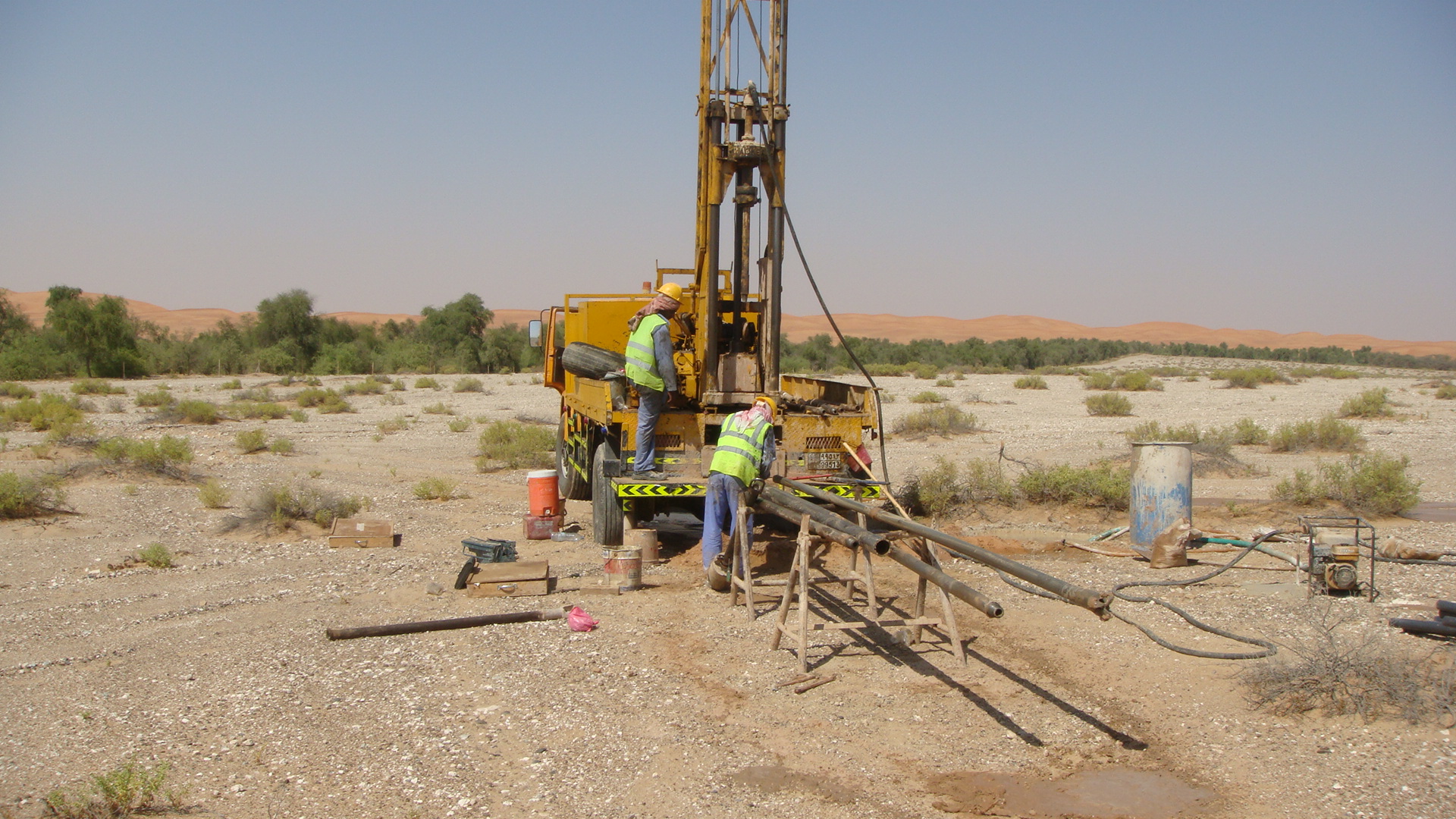
War Is Driving Costs in the Geotechnical & Environmental Drilling Industry
How War Effects Geotechnical & Environmental Drilling.
The geotechnical and environmental drilling industry may feel far removed from global conflict, but the effects of war are closer than they seem. When tensions rise in key regions of the world, especially those tied to oil and trade, the impact quickly shows up in day-to-day operations.
For drilling contractors, that usually means one thing—higher costs.
Fuel is the first and most obvious hit. Diesel powers nearly everything in drilling, from rigs to trucks to generators. When war disrupts oil supply or shipping routes, fuel prices tend to spike and become unpredictable. Even a small increase can significantly raise the cost of running equipment or moving it between sites. Jobs that were quoted weeks earlier can suddenly become less profitable, especially if pricing was fixed.
Material costs are also heavily affected. Steel, aluminum, and copper are all essential in drilling, and they require a lot of energy to produce. As energy prices rise, so does the cost of casing, rods, and tooling. At the same time, supply chains often slow down during periods of conflict. This means contractors are not only paying more for materials, but also waiting longer to get them.
Shipping and logistics add another layer of pressure. When global routes are disrupted, freight costs increase and delivery times stretch out. Even companies working locally feel this, since many parts and materials are sourced internationally. Delays can push back project timelines, while higher shipping costs quietly eat into margins.
Equipment maintenance is becoming more challenging as well. Drilling rigs rely on specialized parts that are often sourced from different parts of the world. When those parts are harder to get, downtime becomes a bigger risk. Repairs take longer, and keeping equipment running smoothly requires more planning than before.
All of these rising costs eventually affect clients. Contractors are finding it harder to hold pricing for long periods, and fixed-price contracts carry more risk. At the same time, some clients may delay projects as budgets tighten, creating a slower and more uncertain market overall.
What stands out most in all of this is the unpredictability. Costs aren’t just going up—they’re changing quickly and without much warning. That makes it harder to plan, quote, and operate with confidence.
In this environment, flexibility is key. Companies that adjust their pricing, secure materials early, and focus on efficiency will be in a better position to manage the uncertainty.
At the end of the day, war doesn’t just impact headlines or global markets. It shows up in fuel bills, material costs, and project timelines. For the drilling industry, those effects are real, immediate, and impossible to ignore.
Sorry, the comment form is closed at this time.