

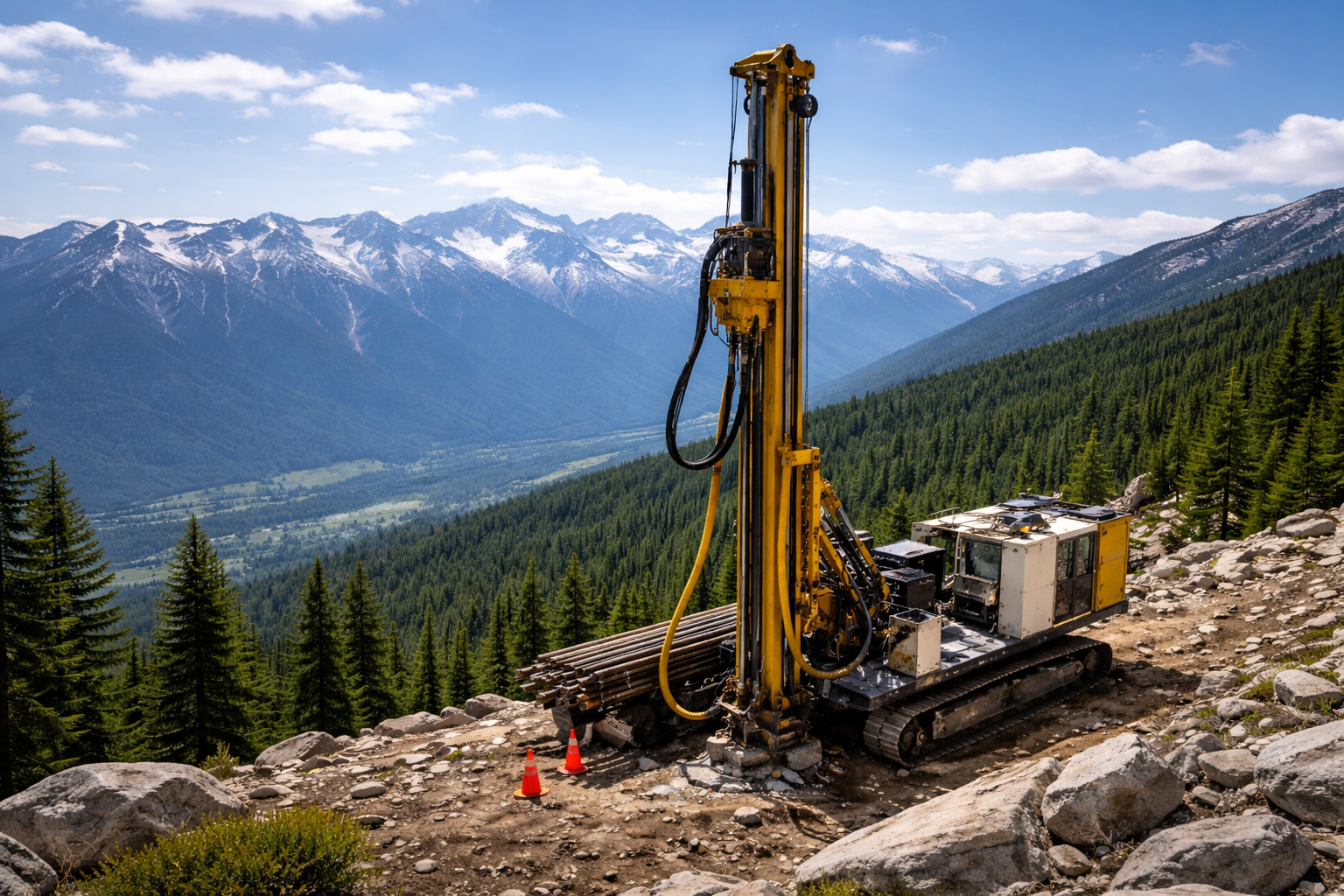
Drillers Are Working Harder Than Ever — So Why Aren’t Wages Keeping Up With Inflation?
Across the geotechnical and environmental drilling industry, one issue continues to surface in conversations at jobsites, conferences, and crew meetings: the cost of living keeps rising, but driller wages are struggling to keep pace.
Inflation has affected nearly every aspect of daily life. Fuel, food, housing, insurance, equipment, and transportation costs have all increased significantly over the past several years. For many drillers, however, compensation has remained largely unchanged, creating a growing gap between earnings and expenses.
Drilling Is Skilled, High-Responsibility Work
Drilling is not entry-level labor. It is a skilled trade that requires experience, technical knowledge, and constant situational awareness. Drillers are responsible for operating heavy equipment, working in unpredictable ground conditions, maintaining strict safety standards, and delivering accurate subsurface data that engineers rely on for major infrastructure and environmental projects.
A single drilling error can delay schedules, increase costs, or compromise data integrity. Despite this level of responsibility, wages in many regions do not reflect the expertise and accountability required to do the job well.
Inflation Is Reducing Real Wages
Even when modest wage increases occur, they often fail to match inflation. This means that, in real terms, many drillers are effectively earning less than they were just a few years ago.
The result is a workforce that is working longer hours under greater pressure, while finding it increasingly difficult to keep up with basic living expenses. For younger drillers trying to build a future, the math simply does not add up.
Retention Is Becoming a Serious Challenge
The industry frequently discusses labor shortages, but the deeper issue is retention. Experienced drillers are leaving for other trades that offer better pay, more predictable schedules, or clearer long-term financial stability.
At the same time, fewer young workers are entering the field. Drilling is physically demanding and often requires time away from home. Without competitive wages, it becomes difficult to justify those sacrifices—especially when other skilled trades offer stronger compensation packages.
Productivity Has Increased, Compensation Has Not
Advances in equipment, tooling, and drilling methods have improved productivity and efficiency across the industry. Drillers are expected to do more in less time, manage more complex jobs, and meet higher expectations for safety and documentation.
While innovation has reduced downtime and improved performance, wage growth has not kept pace with increased productivity. This imbalance contributes to burnout and declining morale in the field.
Why Fair Wages Matter to the Entire Industry
Competitive wages are not just a workforce issue—they are a quality and safety issue. Fair compensation helps:
- Retain experienced drillers
- Improve jobsite safety
- Maintain high data quality
- Support long-term industry sustainability
When drillers feel valued, they are more engaged, more careful, and more committed to their work.
Moving the Industry Forward
Inflation is a reality, and drilling work is not becoming easier. Addressing wage stagnation requires open conversations, realistic pricing structures, and a broader recognition of the value drillers provide.
At Alucast, we believe drillers are the backbone of geotechnical and environmental projects. Supporting them means investing in better tools, safer equipment, and an industry culture that recognizes skill, experience, and responsibility—not just output.
If wages continue to fall behind inflation, the consequences will be felt across the industry. Addressing the issue now is not just good practice—it is necessary for the future of drilling.
Sorry, the comment form is closed at this time.